
If your home sits on a pier and beam foundation, you already know it’s a little different from most of the advice out there. Nearly everything written about foundation leaks assumes a concrete slab, cracks pushing up through tile, warm spots on the floor, water bills spiking from a break underneath the house. None of that quite applies the same way when your home is raised on piers with an open or semi enclosed crawl space underneath. This is what actually matters for a pier and beam home instead.
Why Pier and Beam Foundations Are a Different Story Entirely
A pier and beam foundation elevates your home above the ground on concrete or wood piers, with a crawl space in between the ground and your home’s floor joists. That gap is the whole point of the design, air circulation was meant to keep moisture from building up underneath older homes long before modern vapor barriers and mechanical ventilation existed. When that system works the way it’s supposed to, it’s actually a pretty resilient setup. When it doesn’t, trapped moisture in the crawl space becomes the entire problem, in a way that looks and behaves nothing like a slab leak.
Homes built this way are especially common in older, established parts of towns that predate widespread slab construction, which became the norm across most of Texas starting around the 1960s and 70s. If your home was built before that shift, there’s a good chance it’s pier and beam, or was at some point converted, even if later additions or nearby homes were built on slabs.
What Actually Causes Moisture Problems Under a Pier and Beam Home
Poor crawl space ventilation. Vents that have been blocked by landscaping, debris, or a previous owner’s renovation choices stop air from moving through the space the way the original design intended. Without that airflow, humidity just sits there.
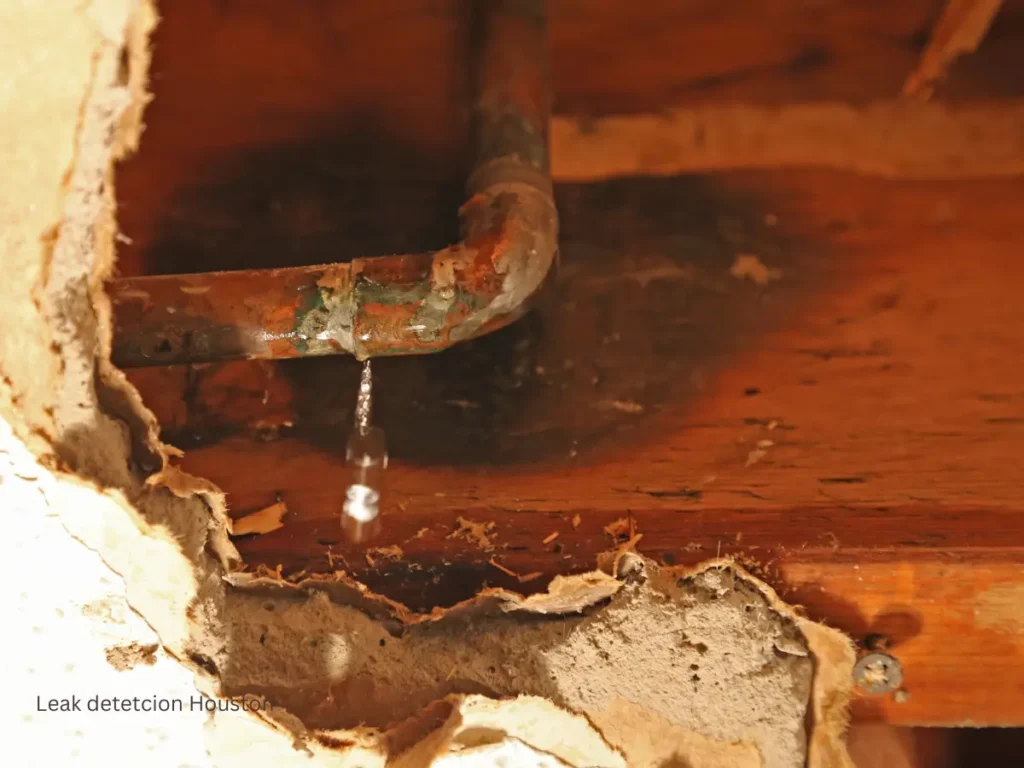
Plumbing leaks running under the floor. Pipes routed through the crawl space instead of through a slab are actually easier to inspect visually, but a slow leak can still go unnoticed for a long time in a dark, rarely visited space.
Grading that slopes toward the house. If the ground around your foundation slopes toward the house rather than away from it, rainwater runs directly under your home instead of away from it, every single time it rains.
Gutter and downspout issues. Similar to grading, downspouts that dump water right next to the foundation, rather than routing it several feet away, feed water directly into the crawl space over time.
Groundwater and water table changes. In areas with a naturally higher water table or heavy seasonal rainfall, moisture can seep up from below even without any single obvious source, particularly during wetter months.
Signs Worth Paying Attention To
A musty smell inside the home, even in rooms with no obvious water source, is one of the most common early signs of a damp crawl space, since that air eventually mixes with the air inside your living space.
Floors that feel slightly springy or uneven in spots can indicate moisture affecting the wood floor joists or subfloor from below, something a slab home would never show in quite the same way.
Visible mold or mildew on floor joists, insulation, or the underside of subflooring, if you’ve ever looked under the house, is a clear sign moisture has been sitting for a while.
Doors and windows that stick seasonally, more noticeably than normal humidity related swelling, can point to wood framing members absorbing and releasing moisture unevenly.
Increased pest activity, particularly termites or wood boring insects, since damp wood is far more attractive to them than dry wood.
How to Actually Check This Yourself First
Unlike a slab, a pier and beam crawl space is something you can often inspect directly, which is a real advantage if you’re willing to get down there with a flashlight. Look for standing water, damp soil, or a musty smell as soon as you’re under the house. Check that vents around the foundation’s perimeter are clear and unobstructed. Look at where your gutters discharge and whether that water is landing right next to the foundation. And check the grading around your home’s perimeter, water pooling anywhere close to the foundation after rain is worth addressing regardless of what else you find.
When Self Checking Isn’t Enough
A visual check from the crawl space access point will tell you a lot, but it has real limits. Larger homes often have areas of the crawl space that are difficult or impossible to reach without proper equipment, and a slow plumbing leak isn’t always visually obvious even when you’re right next to it, especially if water is being absorbed into soil rather than pooling visibly. This is where the difference between a pier and beam home and a slab home matters most for professional detection too. Instead of tracing water through a solid concrete slab, detecting a leak under a pier and beam home means confirming whether moisture is coming from plumbing, groundwater, or drainage, since each of those has a completely different fix.
Acoustic sensors can pick up the sound of an active plumbing leak even in hard to reach areas of a crawl space, and moisture meters can measure exactly how wet the wood framing and subfloor actually are, giving a clear answer instead of a guess about whether what you’re seeing is a real problem or just normal humidity for the season.
Read About: Older Home Plumbing Houston
Our Approach to Foundation Leak Detection in Older Homes
At Leak Detection Houston TX, we work with both pier and beam and slab foundations, and we don’t use the same method for both. For pier and beam homes, that means focusing on the crawl space directly, confirming whether a leak is coming from plumbing or from drainage and grading issues outside, rather than assuming every foundation problem behaves like a slab leak. Learn more about our foundation and slab leak detection process, or if you’re in the Conroe area specifically, where pier and beam construction is especially common in older downtown homes, our local team can check your crawl space and give you a clear answer.